AL-KO VT tips for winter camping – from gas supply to thermal covers
For some campers, the winter season is a popular time to travel! Snow-covered slopes, breathtaking mountain views in the sunshine or cosy evenings in a warm and comfortable motorhome – a real dream for winter fans! To help you prepare for a winter camping trip, we've put together seven top tips.

In brief: the most important things
- A thorough vehicle check is advisable before setting off on a winter break.
- Adequate gas reserves and proper heating are crucial for a relaxing holiday.
- Never choose a pitch under snow-laden trees, and clear the roof of snow regularly.
Before the journey begins
Starter battery, oil level & co.: Before every departure, you should check your motorhome or the towing vehicle for your caravan to avoid unnecessary surprises on your holiday.
Tip 1: Thorough vehicle check
For winter trips, it is advisable to carry out the following additional checks:
- Check the lighting system
- Test the heating and fan
- Keep jump leads, ice scraper, broom, de-icer spray & more within easy reach
- Top up the radiator and windscreen washer with antifreeze
- Check the wiper blades for proper functioning
- Measure tyre tread depth
Winter tyres are essential for motorhomes and panel vans. Alternatively, you can fit all-season tyres with the snowflake symbol. The crucial thing is to ensure your tyres exceed the minimum tread depth. Snow chains for the drive axle are a must if you plan to travel in mountainous areas and tackle steep passes. For caravans, winter tyres are not compulsory in Germany, but they are definitely recommended depending on your travel destination. Snow chains for the towing vehicle should always be kept easily accessible in the boot, especially when driving in alpine regions.
Tip 2: Add extra cold protection
Double-digit sub-zero temperatures in winter can seep in through windows, doors, and roof hatches. If your motorhome or caravan has insulated windows, that's already an advantage – it helps keep the warmth inside, unlike single-glazed windows. As most heat loss occurs through the cab windows and doors, it's worth investing in thermal covers or mats for the motorhome, which are best fitted outside. Caravans can also be insulated with a drawbar box cover.
Thermal curtains between the cab and living area make a difference in cold conditions. For panel vans, there are tailored insulation solutions for the rear doors on the market. To prevent external water pipes or tanks from freezing, you can fit additional heating bands. Some camper models have heated water tanks as a standard feature. There are also special antifreeze solutions for on-board toilets with their own flush tank as well as for grey and waste water tanks.
Tip 3: Calculate your gas supply carefully
Gas consumption is much higher in winter camping than at other times of year: you’ll heat more, cook more, and use more hot water for tea, coffee & more. Some campers also need gas for their boiler or fridge. Running out of gas in winter isn't just a hassle – it can cause serious problems, like frozen pipes or damp in your motorhome.
So be sure to calculate sufficient gas reserves. Estimates vary, but three to five kilos per 24 hours is a realistic range, depending on the size of your recreational vehicle. For winter, make sure you get the appropriate gas mixture. In Germany, most cylinders are almost entirely filled with propane and only a small percentage of butane, which is ideal for cold weather.
Otherwise there are special winter gas mixes available, containing propane and isobutane. Pure propane would have an even lower boiling point, but the mix of the two offers the best balance of performance and consumption – making sure you remain safe even in Arctic conditions.
Tip 4: Electronics for more comfort
Whether battery management, solar controller or app monitoring: With integrated, intelligent electronics, you can control your energy supply in your mobile home just as efficiently as comfortably.

On the pitch or campsite
Once you arrive at your destination, especially in wintry regions, it pays to choose your pitch carefully. From this point on, the heating can (almost) run continuously if needed.
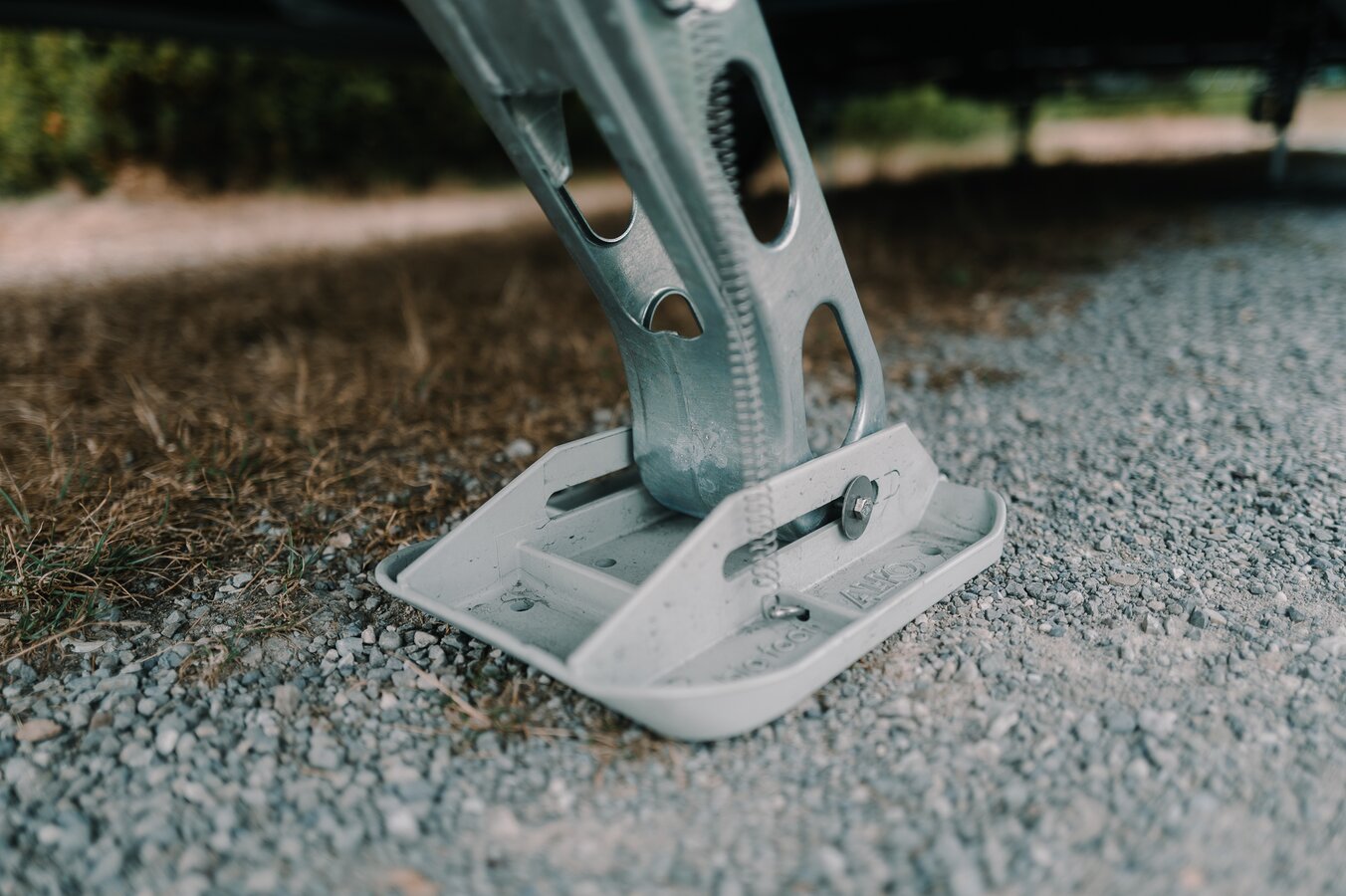
Tip 5: Secure and level pitch
Tree canopies can carry a lot of snow, which may suddenly fall. Therefore, don’t park under trees heavy with snow. Falling branches and lumps of ice can also cause serious damage to your motorhome or caravan.
An even pitch is essential, as you should not use the handbrake in winter to prevent the cables from freezing. On snow-covered or wet ground, the Big Foot support from AL-KO ensures a secure stand. For motorhomes, hydraulic steadies like HY4 or LevelM Pro offer greater comfort when stationary. On extremely soft or muddy surfaces, large additional support plates can be placed underneath.
Tip 6: Keep warm enough
Keeping warm in winter isn’t just about comfort – it’s crucial for maintaining the right climate in your panel van, motorhome or caravan and for preventing damp or even mould. It’s important that warmth is distributed evenly throughout the vehicle, not just in one corner. Regular heating with a consistent base temperature is better than letting the vehicle cool down and then reheating it on demand. We recommend packing a small fan heater as a backup, in case you unexpectedly run out of gas and can’t replace it straight away. Note: Forced ventilation openings must always remain unobstructed, even in low temperatures!
If you use an awning, it will keep much of the cold air out and offer extra space for storing wet shoes and clothes. In this additional living area, awning carpets and catalytic or infrared heaters provide extra cosiness on frosty days. Draught skirts, which are fitted to the lower awning rails, also provide protection against cold air.
Tip 7: Regularly clear the snow
If you’re blessed with lots of snow on your winter holiday, camping brings both beautiful scenery and extra work: Shovel away snow under your caravan or motorhome to ensure proper ventilation for gas appliances. After fresh snow, clear your roof, especially around the flue, so exhaust gases don’t build up inside. Always keep all ventilation openings on the side walls and roof clear, as blocked vents are a safety risk. If you have an awning, make sure it’s regularly freed from snow and ice so it doesn’t collapse under the weight.
Equipment for winter campers – an overview
Below you’ll find a must-have list to help you enjoy carefree winter camping:
- Ladder
- Broom
- Shovel/folding spade
- Jump leads, ice scraper, de-icer spray
- Antifreeze
- additional gas cylinder(s)
- Thermal mats and covers, draught skirts, winter cover for fridge ventilation, drawbar weather cover
- Heating bands for tanks and pipes
- Doormat
- Awning (if required) including accessories
- extra support plates
- Fan heater, infrared or catalytic heater
- warm clothing and shoes
- lined work gloves
- warm bedding
- plenty of blankets
Our tip: Sign up now for the AL-KO newsletter! Once registered, you’ll receive exclusive information about products, news, offers and more to your inbox.

Once you have registered, you will receive exclusive information on products, news, offers and more, straight to your inbox.